Introduction
When it pertains to enhancing the visual appeals and performance of your exterior area, leading setup is an excellent means to go. Whether you're aiming to revamp your driveway, develop a spectacular patio, or enhance your garden pathways, understanding the ins and outs of leading setup is vital. This write-up aims to provide you with extensive understandings right into leading setup, especially customized for homeowners in the Bay Area.
Paving entails numerous products and methods, with interlocking pavers being among the most preferred choices due to their durability and layout flexibility. However, with various options available, it's simple for home owners to really feel overloaded. That's where we come in. We will answer your most important questions regarding paving installment and guide you with every little thing you require to know prior to starting your project.
Let's dive into our thorough guide!
Paving Installment FAQs: What Every Property owner in the Bay Location Need To Know
What Are Interlocking Pavers?
Interlocking pavers are a sort of concrete block utilized for outside surfaces, which fit together like pieces of a challenge. They are available in numerous forms, colors, and textures, permitting home owners to create unique layouts that match their landscape. These pavers are renowned for their strength and longevity.
Advantages of Interlocking Pavers
- Durability: These pavers can stand up to heavy tons and severe weather conditions. Low Upkeep: They need very little maintenance contrasted to conventional paving methods. Aesthetic Adaptability: Home owners can blend shades and patterns for a personalized look.
What Is Associated with Paving Installation?
The paving installment procedure commonly entails a number of steps:
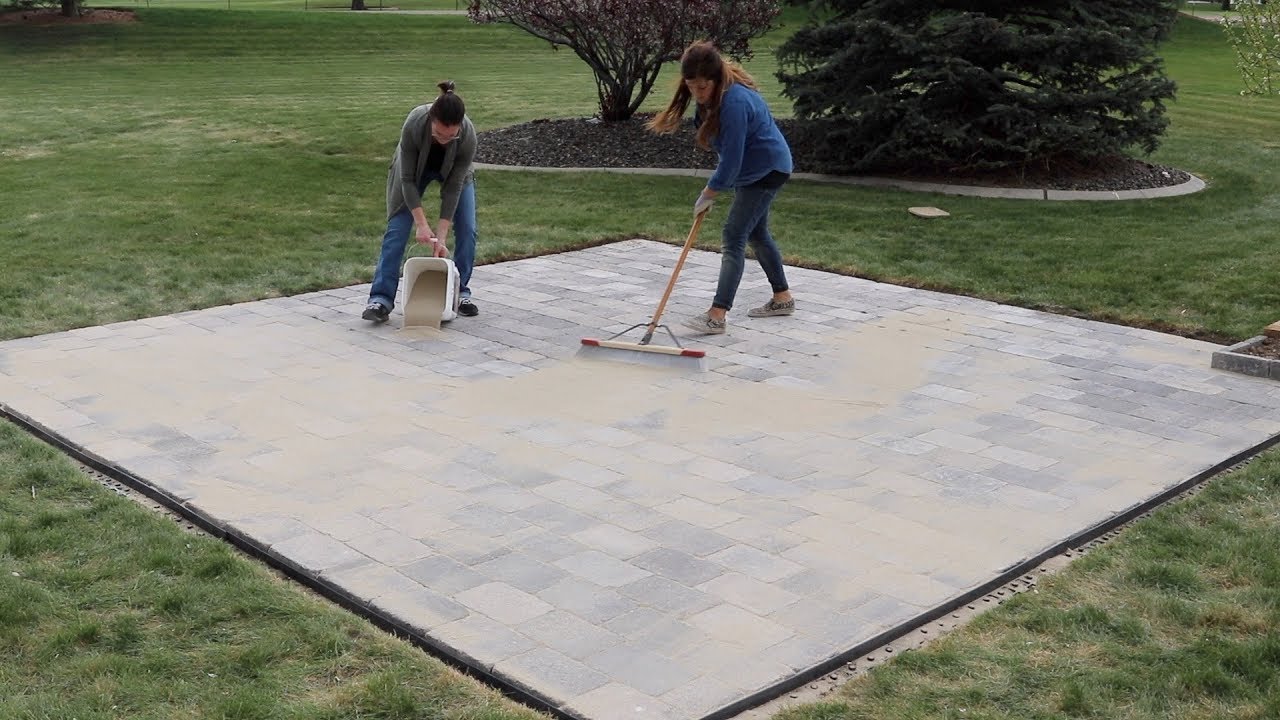
Planning and Layout: Figure out the location size, pick products (like interlacing pavers), and select a pattern. Excavation: Eliminate existing products from the area where the paving will be installed. Base Preparation: Set a strong base making use of gravel or sand to make sure stability. Installation: Lay out the interlocking pavers according to your design plan. Compaction: Use a plate compactor to safeguard the pavers firmly in place. Joint Filling up: Fill up gaps with sand or polymeric jointing material.By adhering to these actions meticulously, you'll achieve a professional-looking outcome that enhances your building's aesthetic appeal.
How Do I Select the Right Paver Installer?
Selecting the appropriate paver installer is crucial for making certain high quality workmanship. Here are some suggestions:
- Research Credentials: Check if they have legitimate licenses and insurance. Read Evaluations: Seek testimonies online or ask for recommendations from buddies or family. Request Prices quote: Obtain price quotes from multiple installers to contrast pricing. Check Their Profile: Evaluation previous tasks to analyze their craftsmanship.
Finding an experienced paver installer can make all the difference in accomplishing a successful paving installation.
What Is The Expense of Leading Installation?
Paving setup prices can differ considerably depending on numerous elements such as:
- Size of the area Type of material (interlacing pavers tend to be more expensive than asphalt) Labor costs Additional features (such as boundaries or drainage systems)
On average, house owners in the Bay Location can paver installation expect to pay in between $10-$20 per square foot for interlacing paver installations.
Cost Malfunction Table
|Item|Approximated Expense|| ---------------------------|-------------------------|| Materials|$5-$15 per square foot|| Labor|$3-$8 per square foot|| Base Preparation|$1-$3 per square foot|| Extra Features|Variable|
How Long Does Paving Installment Take?
The period of paving setup relies on several factors including:
- The dimension of the area The complexity of design Weather conditions
Typically, little jobs might take eventually, while bigger setups could cover over a number of days or weeks.
Can I Install Pavers Myself?
While do it yourself projects can save cash, installing interlocking pavers calls for expertise regarding appropriate strategies and tools. If you're unskilled, it may be best to employ a professional paver installer. However, if you're up for it:
Research adequately concerning strategies involved Gather essential tools such as a plate compactor and leveling tools Prepare extensively by preparing your layout prior to startingAre There Any Allows Needed for Paving Installation?
In lots of instances within Bay Area jurisdictions, you could need permits relying on your task's range:
- Consult regional building codes Check if permits are required based on task size
Not obtaining necessary authorizations could result in penalties or complications later on on.
What Upkeep Do Interlocking Pavers Require?
Maintaining interlacing pavers is reasonably straightforward:
Regularly sweep away debris Power clean periodically Refill joints with sand as needed Replace any broken pavers promptlyProper maintenance guarantees longevity and keeps your paved areas looking pristine.
How Do Weather condition Conditions Affect Paving Installation?
Weather plays a substantial role in leading setups:
- Avoid installing throughout rainfall; damp problems can affect glue properties. Extreme warmth could create materials to completely dry too promptly; consider functioning during cooler parts of the day.
Choosing an optimum time assists make sure smooth execution throughout the project phase.
What Prevail Errors Throughout Leading Installation?
Common challenges include:
Skipping base prep work-- A weak structure leads to unpredictable surfaces. Poor drain-- Not making up water circulation might cause damage over time. Incorrect spacing-- Spaces in between rocks must correspond; or else aesthetics suffer.Avoiding these errors will add considerably towards achieving long lasting results!
Paving Installment Frequently asked questions: What Every Property owner in the Bay Area Must Know-- Conclusion
Investing time right into comprehending paving setup is crucial for house owners readying their exteriors for enhancement! With this overview covering every little thing from products like interlacing pavers down via preparation steps right up until maintenance ideas-- you're well-equipped now!
Don't be reluctant; reach out today if you're thinking about improving your home! Professional assistance is simply a phone call away!
Frequently Asked Concerns (FAQs)
What kinds of materials are made use of in leading installations?- Common materials consist of concrete slabs, asphalt pavement, cobblestone driveways & & interlacing pavers.
- While do it yourself is possible; working with an experienced installer guarantees proper strategies & & quality results!
- Regular cleaning/sweeping & & occasional power cleaning maintain surface areas looking fresh while protecting against weeds!
- It's finest technique not using freshly paved locations till working out occurs-- normally around 24 hours post-installation!
- Yes! Absorptive sidewalks enable water drainage through them-- ideal if seeking sustainable solutions!
6 *** Will my interlocking sidewalk fracture over time?
- While very resistant & & long lasting-- breaking isn't difficult however safety nets help reduce threats significantly!
With these understandings available-- you're positioned with confidence onto lead excellence! So go on; transform that outdoor room right into something attractive today!